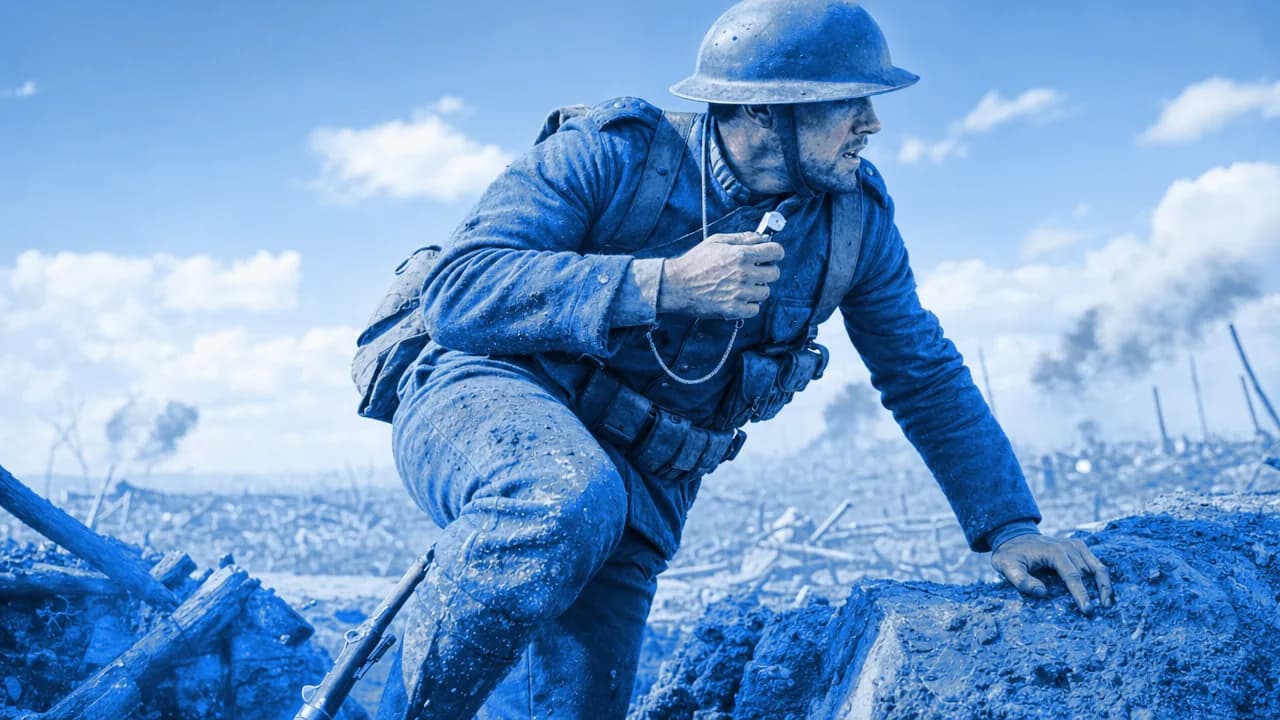
Test your knowledge on British military leadership, trench life and home front social legislation.
History and Civilisations10 questions3 minIntermediate
Short version · Full version
Take the test
Test your knowledge on British military leadership, trench life and home front social legislation.
History and CivilisationsThe Great War remains a defining epoch in British history, marking a transition from traditional Victorian values to the complexities of the twentieth century. To truly grasp this period, you must look beyond the start and end dates to understand the interconnected nature of military strategy, domestic policy, and social shifts. Whether you are interested in the tactical use of artillery or the specific roles of animals in the trenches, this field offers a profound look at a nation under pressure. Exploring these themes helps clarify how the United Kingdom moved from an era of naval supremacy to a total war footing that reshaped every level of the military hierarchy.
The First World War test allows you to evaluate your expertise across several distinct areas of the conflict. You will encounter notions regarding the leadership of British Commanders-in-Chief and the specific strategic terminology used during major offensives on the Western Front. The assessment explores early war strategy, covering engagements along canal lines and the subsequent movements towards the coast, alongside the broader geography of global conflict in the Asian theatre.
The social and economic impact within the United Kingdom is also a primary focus. You will reflect on notions like the rationing of food items, the health challenges faced by women in munitions factories, and the introduction of legislation to manage industrial disputes in Scottish cities. The test also delves into the intelligence and espionage side of the conflict, examining the secret departments tasked with breaking codes and the diplomatic communications that influenced international alliances.
To ensure a relevant experience for every learner, this assessment is presented in 3 levels: Easy, Intermediate, and Expert. Each level is available in two formats to suit your schedule. The short version offers 10 questions to be completed in 3 minutes, ideal for a quick knowledge check. The full version provides a more comprehensive review with 30 questions and a 9 minutes time limit.
Choosing the Easy level provides a foundation in political leadership and the general chronology of the war. Moving to Intermediate or Expert introduces more specific legislative history, such as the acts governing conscription and the promises made to returning soldiers. These higher levels also challenge your understanding of naval technology, including the tactical reasons for strategic outcomes at sea and the use of specialised camouflage for merchant ships.
Yes, the test covers the Home Front extensively, including the nicknames for women workers and the impact of government scandals. You will also find questions on domestic policy, such as the internment of civilians on British islands and the evolution of the recruitment process. The results provide the correct answers to help you learn about these domestic developments.
The assessment includes notions ranging from the specific ranks held by the first expeditionary forces to the function of medical stations near the battlefield. It also addresses the daily reality of trench life, including the detection of gas and the tactical purpose of specialised battalions.
The test examines the legal triggers for British intervention, such as agreements regarding neutrality, and the treaties that ended fighting on the Eastern Front. It also covers the political developments that led to coalition governments and the intelligence operations that intercepted foreign communications during the conflict.